Neurodiversity Week has become an important moment in the calendar for organisations looking to better understand how neurodivergent individuals experience the workplace. But this year’s theme, From Awareness to Action, signals something more significant.
The conversation is moving on.
Across many sectors, businesses are beginning to recognise that people do their best work in different ways. Individuals process information, approach problem-solving and manage workplace demands differently, meaning organisations need to create environments that support a range of working styles.
This includes recognising and supporting both neurodivergent and neurotypical employees. When organisations do this effectively, they often unlock strengths and performance gains that may otherwise go unnoticed.
The scale of neurodiversity within the workforce is also significant. It is estimated that around one in seven people in the UK, approximately 15% of the population, are neurodivergent, encompassing conditions such as autism, ADHD, dyslexia and dyspraxia.
Many individuals with these traits bring valuable capabilities to the workplace, including analytical thinking, creativity, pattern recognition and the ability to focus intensely on complex tasks.
For industries like automotive, which is built on technical expertise, innovation and problem-solving, these strengths can be particularly valuable.
An opportunity for the automotive sector
At the same time, the automotive industry continues to face ongoing workforce challenges. Skills shortages, evolving technology and increasing pressure to retain experienced talent mean organisations are looking more closely at how they attract, develop and support their people.
Understanding neurodiversity is increasingly becoming part of that conversation. Yet despite growing awareness, there is still limited insight into how neurodiversity is experienced across automotive workplaces themselves. How many people in the sector identify as neurodivergent? Where are individuals already thriving? And where might talented people be overlooked because the right awareness or support isn’t yet in place?
These are important questions for an industry that depends heavily on technical skill and innovative thinking.
Moving from awareness to action
Over the past six months, Autotech Group has been taking steps to better understand neurodiversity and how it impacts individuals working across the automotive sector.
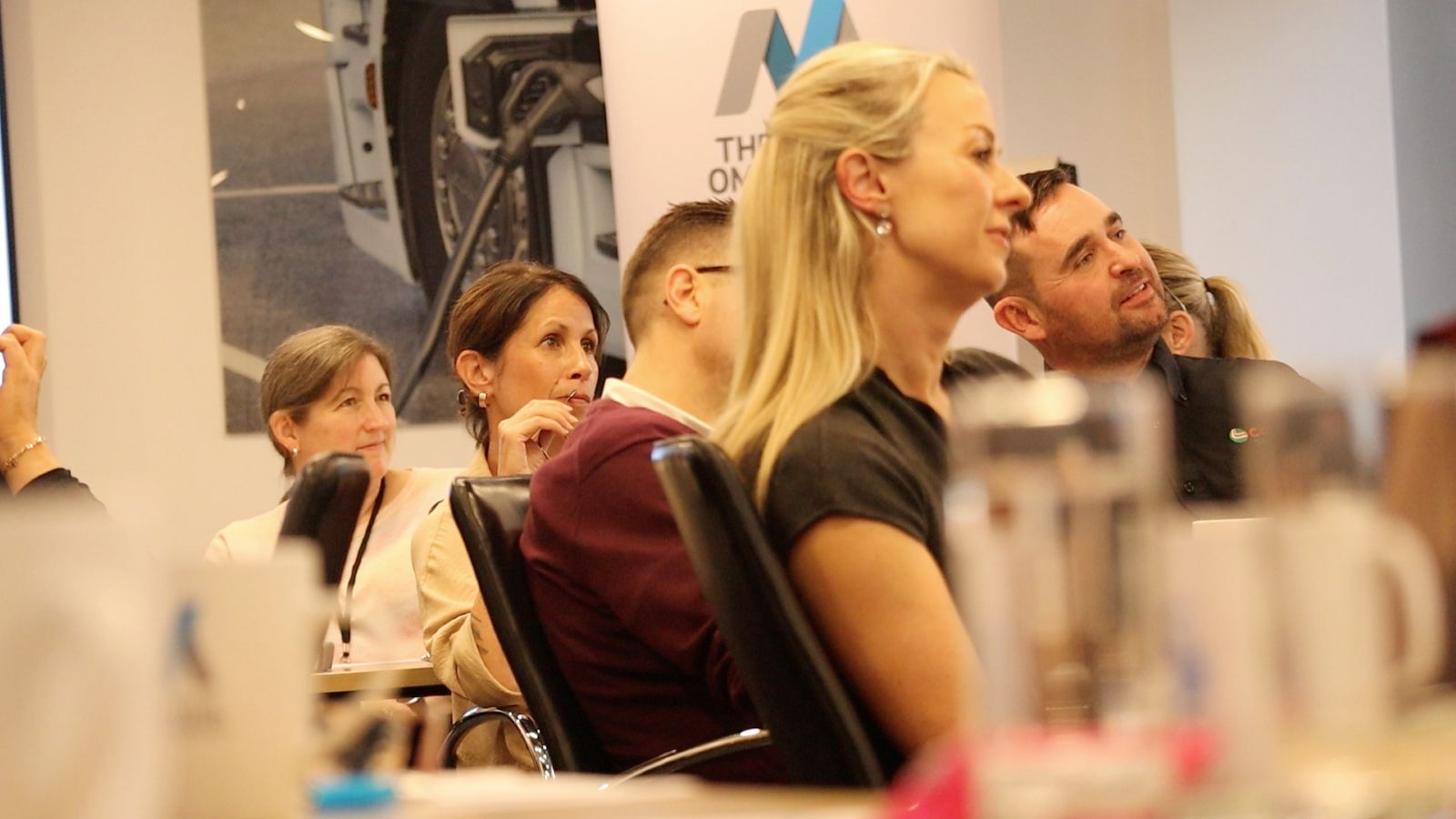
Working alongside neurodiversity specialists, the company has delivered training across its teams to help consultants, trainers and operational staff better recognise how neurodivergence can present in the workplace. The focus has been on practical understanding, from communication styles and learning approaches to how organisations can better support candidates, contractors, clients and interns.
Alongside this work, Autotech Group has also been advancing the use of technology through its Autotech Connect brand, developing tools that support different ways of learning and working and help create more accessible environments where neurodivergent individuals can thrive.
Together, these initiatives reflect a broader commitment to strengthening the automotive workforce through a combination of people, skills and technology.
Understanding the industry landscape
While internal action is important, understanding the wider industry landscape is equally critical.
To help build a clearer picture of how neurodiversity is experienced across automotive workplaces, Autotech Group launched an industry survey designed to gather insight from people working across the sector, from technicians and operational leaders to HR professionals responsible for recruitment and retention.
The research will explore how neurodiversity is currently understood across the industry, the challenges individuals may face, and where greater awareness or workplace support may be needed.
By gathering these insights, the aim is to contribute to a broader conversation about how the automotive industry can better recognise, support and retain neurodivergent talent.
Strengthening the workforce for the future
For many organisations, the conversation around neurodiversity is still evolving. But the potential opportunity is clear.
When businesses create environments that recognise and support different ways of thinking, they can unlock strengths that might otherwise go unnoticed. For an industry built on technical skill, innovation and adaptability, these capabilities can be incredibly valuable.
Moving from awareness to action means asking the right questions, building greater understanding and being open to new ways of supporting people in the workplace. And for the automotive industry, recognising the value of neurodiversity may prove to be an important part of strengthening the workforce for the future.
Share This Article:
Related Posts



Autotech Group
We are innovators, disruptors, collaborators - 100% focused on driving engagement and delivering change in the automotive aftermarket, to make businesses more efficient, productive and profitable.
Links

