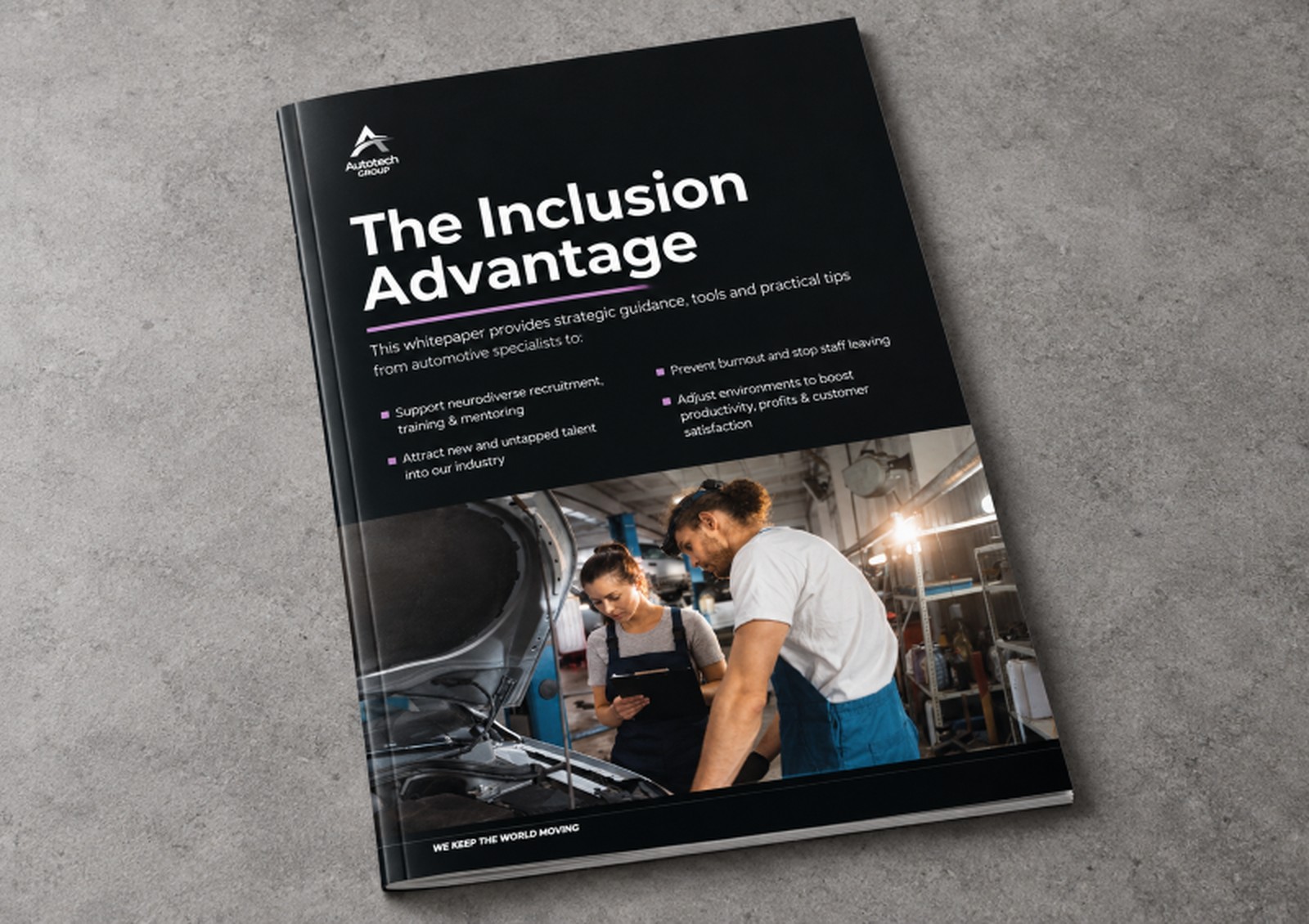
As part of our recently published whitepaper, The Inclusion Advantage, Autotech Group brought together automotive industry leaders, employers and individuals with lived experience to explore how the sector can better recognise, support and retain neurodivergent talent.
Over the coming weeks, we’ll be sharing a series of articles from the whitepaper, offering practical insights into how automotive businesses can rethink recruitment, improve workplace support and unlock the potential of their existing workforce.
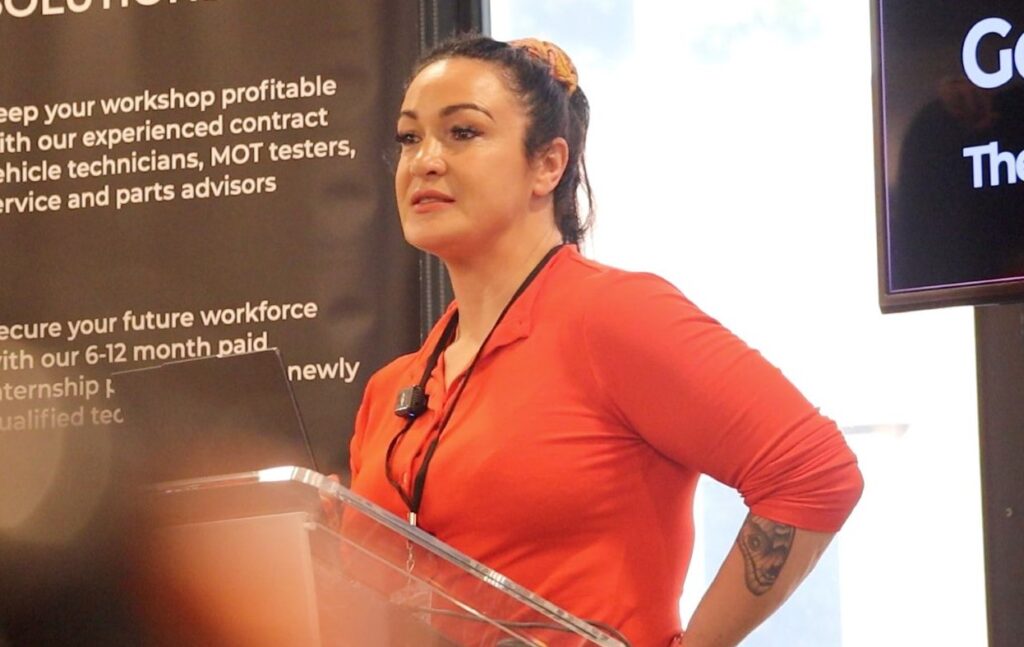
First in the series is Katherine McLoughlin, Aftersales Director at LSH Auto, who draws on her own experience to discuss how businesses can better recognise, support and retain neurodivergent talent within the automotive industry.
Want to explore the wider findings and recommendations? Download our full whitepaper, The Inclusion Advantage, here.
Rethinking automotive recruitment: Recognising talent beyond traditional expectations
As Aftersales Director at LSH Auto, Katherine McLoughlin is challenging traditional approaches to recruitment and retention. From rethinking the ‘red flags’ that can screen out neurodivergent talent to adopting more strengths-based hiring and creating a culture where people feel able to discuss what they need to perform at their best, her focus is simple: recognise potential, not conformity.
Rewiring recruitment approaches
Daniel came to LSH Auto as a temp to clear a backlog of admin jobs. When Katherine McLoughlin introduced herself on his second day, Daniel wasn’t conventionally presented. Messy hair. Comfortable clothes. And, to the horror of future colleagues at the Stockport dealership, he barely looked up to engage with the Head of Aftersales!
But he was clearing jobs accurately, in record time. Probably eight times faster than anyone else could. Daniel was hired. Six months later, Daniel was appointed permanent head of e-commerce for the Group’s trade parts operation, managing online platforms like eBay and Amazon.
The key takeaway Katherine shares widely …
- Talent doesn’t always look like confidence.
- Potential doesn’t always sound like perfection.
- Sometimes talent is quiet.
- Sometimes talent is methodical.
- Mostly, talent just needs the right environment to shine.
Daniel’s case highlights the real talent paradox exclaims Katherine.
“The automotive industry is crying out for highly productive, focused and dedicated team members. But established recruitment filters – and even AI – repeatably exclude candidates like Daniel. Rather than expecting neurodivergent people to rewire their brains to suit us, our recruitment processes need to be rewired and adapt to this untapped talent pool.”
Conventionality excludes neurodiverse job applicants
Request a list of interview red flags to look out for on ChatGPT and no eye contact, vague answers, unprepared, low curiosity, distracted and fidgeting make the top 10 list.
“Rather than evaluating the neurodiverse person’s practical abilities, these systemic biases can lead to unhealthy archetyping and rigid stereotypes that weed out rather than highlight potential talent,” emphasises Katherine.
Rethinking recruitment red flags
What might appear to be a red flag during a traditional interview could simply reflect a different way of thinking or communicating. Katherine highlights three common examples where employers risk overlooking valuable talent.
Red flag: Candidates who struggle with social interactions or conventional thinking can be misread as unfriendly or unenthusiastic.
Green flag: Many neurodiverse people struggle with social scripts, which can lead to misjudgement of their interpersonal and communication skills.
Red flag: No eye contact and stims are viewed by many interviewers as uneasy and nervous.
Green flag: Avoiding eye contact helps reduce sensory overload and supports better focus for many neurodivergent individuals.
Red flag: Being unable to articulate thoughts and spontaneously recall examples with quick fire questions are frequently misinterpreted as apathy or evasion.
Green flag: In reality, these communication hurdles often stem from processing speed differences or high social anxiety.
By traditional standards, Daniel could have been a ‘red flag’ because he was unable to make eye contact and his hair was messy!
Hard work or hard working?
To benefit from neurodivergent talent, the automotive trade must pivot from identifying social ‘red flags’ to recognising ‘green flags’ for specific, high-value roles says Katherine. This is about aligning cognitive styles with the competitive advantages required by the business and shifting from the outdated notion that recruiting and managing neurodiverse people is hard work.
Rather than inserting people into archetypal job profiles and judging candidates for lacking linear characteristics, Katherine instead guides teams to explore the pathways where applicants will shine and open doors to new opportunities. In doing so, they are building more resilient teams and retaining hardworking talent.
“I’m always cautious of over-profiling. Instead, I prefer to be guided by each individual in terms of what they need to perform at their best at work. Even people with the same ‘type’ of neurodivergence will be very different in the way they experience it, the way they prefer to work and their personal needs. When people feel safe, you can ask them and they will advocate for themselves.”
These changes to recruitment and support policies don’t happen overnight. The journey is also ongoing. Additionally, fostering a culture where disclosure isn’t considered a risk requires visibility. Katherine openly discusses her ADHD diagnosis as it helps to normalise neurodiversity in the workplace. Partnering with organisations like Together Trust for work experience placements also enables managers to practice inclusive leadership.
As you evaluate your current talent strategy, Katherine encourages leaders to carefully review the recruitment filters in place. By reflecting on these processes, businesses can ensure they are not inadvertently overlooking talented individuals who may not fit traditional profiles yet possess the skills and work ethic to contribute meaningfully to the team.
Opportunity knocks: Recognising different strengths in automotive roles
There are multiple pathways in automotive environments where recruiters can adopt strength-based hiring approaches rather than relying on rigid archetypal profiling.
- Preference for repetitive tasks: Appeals to neurotypes that prioritise process-driven consistency, structured environments, and established systems, for example stock control, admin and e-commerce.
- ADHD-driven strategic thinking: High-energy, dopamine-seeking individuals who thrive on enthusiasm and multi-tasking in high-pressure environments. Perfect for sales roles.
- Methodical and precision focus: Ideal for technical and engineering roles, including service technicians and after sales.
- High empath: Many team leaders find that heightened empathy is a strategic asset in people management and culture building.
Explore the research behind the discussion
Katherine McLoughlin contributed her experiences and insights to Autotech Group’s whitepaper exploring how the automotive industry can better recognise, support and retain neurodivergent talent.
Discover the wider research, industry perspectives and practical recommendations in our neurodiversity survey and whitepaper.
Share This Article:
Related Posts



Autotech Group
We are innovators, disruptors, collaborators - 100% focused on driving engagement and delivering change in the automotive aftermarket, to make businesses more efficient, productive and profitable.
Links

