For years, conversations around the automotive skills shortage have focused on recruitment. How do we attract more technicians? How do we fill vacancies faster? How do we bring new people into the industry?
While recruitment remains important, focusing solely on attracting talent risks overlooking the bigger picture. Retention, skills development and productivity are all interconnected, and businesses that continue treating them as separate challenges risk creating long-term imbalance across their workshops.
The scale of the issue remains significant. According to the latest IMI Automotive Labour Market Briefing, there are still around 16,000 vacancies across the automotive sector, with technical positions continuing to be among the hardest roles to fill.
Yet filling vacancies alone will not solve the industry’s workforce challenge, and the most successful automotive businesses of the future will not simply be the ones that recruit effectively. They will be the ones that develop a workforce strategy built around People, Skills and Technology.
Retention Matters
Workshop vacancies place additional pressure on existing teams, reducing productivity, affecting morale and increasing the risk of further employee turnover. This creates a cycle that many businesses will recognise: the harder it becomes to recruit, the greater the strain on existing employees, making retention increasingly important.
At the same time, technician expectations are changing. Autotech Group’s What Vehicle Technicians Want survey found that nearly 79% of technicians rated working hours as more important than salary when considering employment opportunities. Flexibility, career progression, wellbeing and access to modern tools and technology are also becoming increasingly important.
As a result, businesses that focus solely on attracting talent, without creating an environment where technicians want to stay and develop their careers, risk making an already challenging recruitment market even harder.
Skills Gaps Are Becoming a Business Risk
For years, the industry has discussed the skills required to support EVs, ADAS and increasingly complex vehicle technology. Today, the conversation has moved beyond future planning and into operational reality.
Skills gaps are no longer simply a training issue; they are becoming a business risk.
The challenge is particularly visible around electrification. Some of the latest IMI TechSafe data shows that only 26% of the UK technician workforce is currently qualified to work on electric vehicles, despite continued growth in the EV parc and increasing demand for specialist skills.
Our Autotech Training brand recently worked with an independent garage that encountered difficulties securing insurance cover because it did not have an EV-trained technician within the business. While this may not yet be a widespread challenge, it demonstrates how technical competence is becoming increasingly linked to wider commercial and operational requirements.
Many workshops also continue to outsource work involving advanced diagnostics and ADAS systems because they lack the capability in-house. While outsourcing can provide a short-term solution, it can also mean lost revenue opportunities, reduced workshop capacity and greater dependence on external support.
The businesses best positioned for long-term success will be those that view skills development as a business strategy rather than a periodic training exercise. However, building capability is not simply about sending technicians on more courses. It requires a more strategic approach that combines continuous learning with technology that helps technicians work more efficiently and confidently.
Training and Technology Must Work Together
One of the biggest challenges facing workshop operators is balancing productivity with workforce development. Removing technicians from the workshop for training can be difficult when workloads are already high, yet failing to invest in skills can create capability gaps that ultimately have a far greater impact on business performance.
Training is also evolving. Online learning, bite-sized content and flexible training pathways are making it easier for technicians to develop new skills without significant disruption to workshop operations.
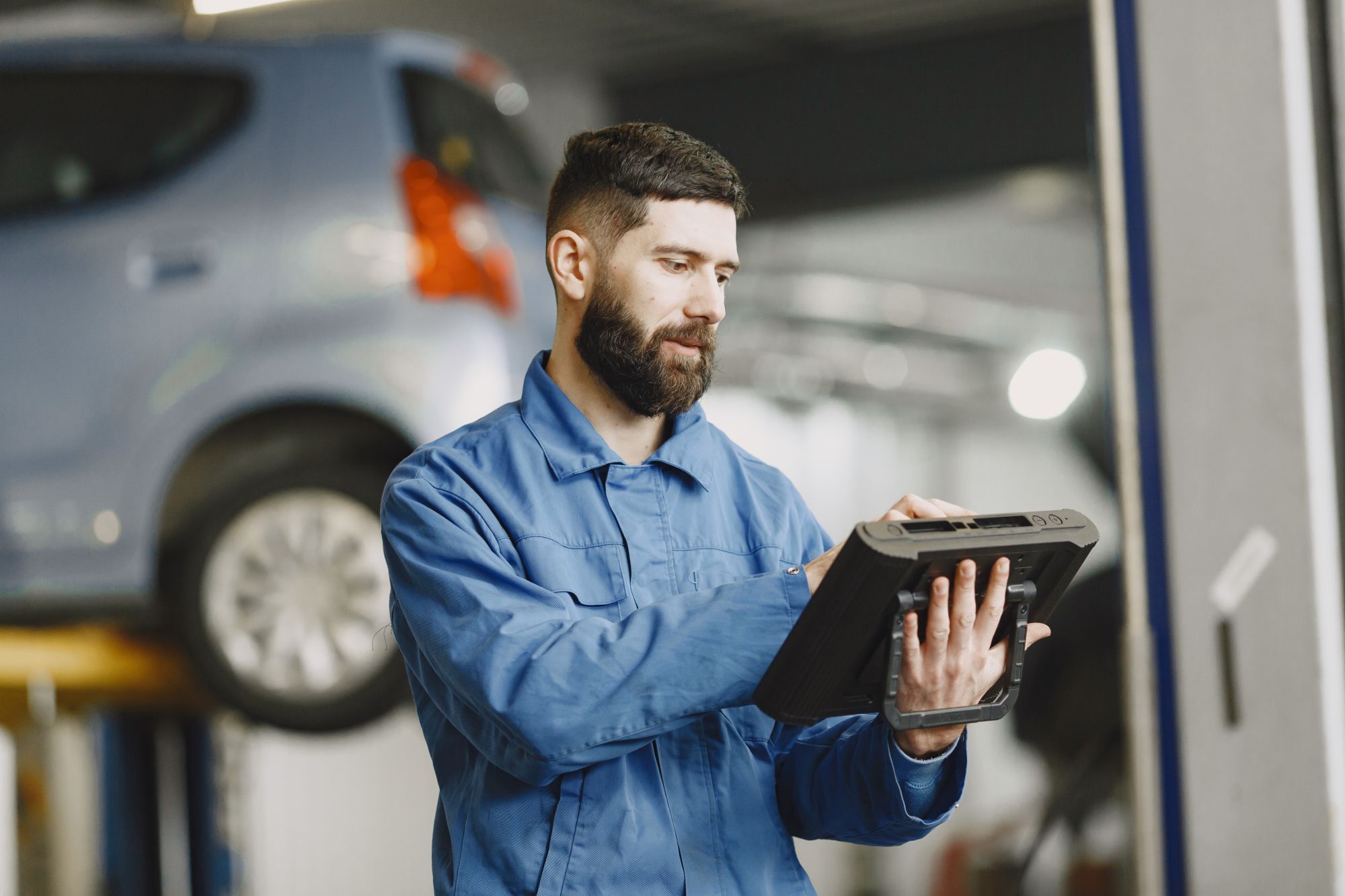
Technology has a role to play too. The most effective solutions are not those that replace technicians, but those that support them. By reducing administration, improving access to technical information and streamlining workflows, technology can help technicians spend more time focused on productive workshop activity.
Building the Future Workshop
Over the next five years, the automotive businesses that thrive will be those that recognise the connection between People, Skills and Technology. Future-ready workshops will invest in skills, embrace technology that supports their workforce and create environments where technicians can build rewarding careers.
Ultimately, long-term success will belong to the businesses that stop viewing recruitment as the solution and start building workforce strategies that balance people, skills and technology.
Share This Article:
Related Posts



Autotech Group
We are innovators, disruptors, collaborators - 100% focused on driving engagement and delivering change in the automotive aftermarket, to make businesses more efficient, productive and profitable.
Links

